Bottom Font: The Perfect Script for Handmade Labels
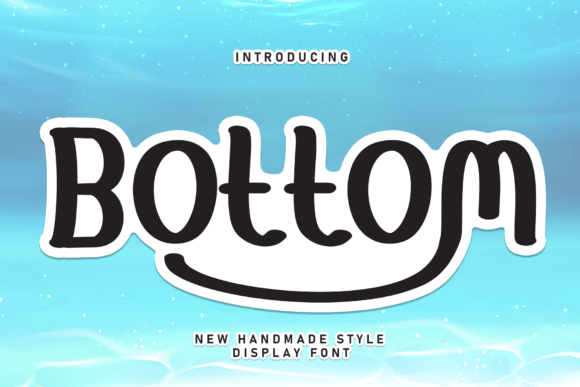
There is a specific kind of quiet satisfaction that comes from watching a design come to life on a physical product, like peeling the backing off a freshly printed candle label or holding a wedding invitation that feels just right in your hands. When I was recently preparing a batch of seasonal soy wax candles for my shop, I knew the typography needed to do more than just state the scent; it had to convey the warmth and care put into every pour. That is where Bottom stepped in, transforming a simple layout into something that felt genuinely personal and inviting. As a Script Handwritten typeface, this font brings a level of authenticity that standard digital text simply cannot match, making it an essential tool for anyone creating Fonts-based designs for real-world merchandise.
Creating Authentic Candle Labels and Boutique Packaging with Bottom
Using Bottom for product packaging immediately elevates the perceived value of handmade goods, especially when working within the Script Handwritten niche where customers expect a human touch. The flowing strokes and natural imperfections of this Fonts collection mimic the way ink moves across paper, which is perfect for small business owners who want their brand to feel approachable yet professional. When I applied this typeface to my candle labels, the way the letters connected created a continuous rhythm that drew the eye naturally across the jar. Unlike rigid sans serif options, Bottom adds a layer of emotional appeal, suggesting that the product inside was crafted with love rather than mass-produced in a factory. This style works exceptionally well for boutique tags on clothing, stickers for soap bars, or even the front of a coffee bag where you want to highlight the artisan nature of the contents.
Designing Wedding Invitations and Event Stationery Using Bottom
For event planners and stationery designers, finding a Script Handwritten option that balances elegance with readability can be a challenge, but Bottom offers a delightful solution for high-stakes projects like wedding suites. The genuine feel of these Fonts makes them ideal for printing on textured cardstock, where the slight variations in stroke width catch the light and add depth to the final piece. I recently used this typeface for a set of rustic-chic wedding invitations, pairing it with a clean, lightweight sans serif for the details to ensure clarity while letting the main headers shine. Because Bottom exudes a warm and personal touch, it sets the tone for the entire event before the guest even opens the envelope. It is particularly effective for save-the-dates, menu cards, and place settings where a custom, hand-lettered look is desired without the cost of hiring a calligrapher.
Elevating Digital Printables and Planner Pages with Bottom
The versatility of Bottom extends beyond physical goods into the booming market of digital downloads, where Script Handwritten styles are highly sought after for planner pages and wall art. When creating printable PDFs or SVG files for crafters to use with their Cricut or Silhouette machines, the organic flow of these Fonts helps digital products feel less sterile and more like something created by hand. Whether you are designing a motivational quote for a nursery print or a decorative header for a weekly spread in a bullet journal, the natural imperfections in Bottom prevent the design from looking too "computer-generated." This is crucial for sellers on platforms like Etsy, where buyers are specifically searching for items that offer a cozy, homemade aesthetic. By incorporating this typeface into your digital asset library, you provide customers with the tools they need to add a personal flair to their own organizational systems and home decor.
Optimizing Readability for Stickers, Mugs, and Apparel Designs
While the charm of Bottom lies in its cursive connections, practical application requires attention to sizing and spacing, particularly when using Script Handwritten styles on smaller surfaces like stickers or curved objects like mugs. To ensure your Fonts remain legible, it is best to reserve this typeface for short phrases, names, titles, or decorative wording rather than long paragraphs of body text. When testing designs for tote bags or t-shirts, I found that increasing the tracking slightly helped maintain the integrity of the swashes without the letters blending together into an unreadable blob. For cutting machine users, the smooth curves of Bottom generally weed well, but intricate loops may require a weeding hook and a steady hand. Always preview your design at 100% scale before sending it to print or cut, ensuring that the delicate tails and entry points of the letters are distinct enough to survive the production process.
Pairing Bottom with Complementary Typefaces for Brand Consistency
To create a cohesive brand identity, combining Bottom with the right supporting typography is key, as relying solely on a Script Handwritten style can sometimes overwhelm a layout. A strong strategy involves pairing these Fonts with a geometric sans serif or a classic serif font to create contrast that guides the viewer's eye. For example, using Bottom for the brand logo or product name while utilizing a simple, clean font for ingredients lists or contact information ensures that the most important elements stand out. This combination works beautifully for social media graphics, website headers, and packaging back-labels where hierarchy is essential. By balancing the organic energy of Bottom with structured secondary fonts, you establish a professional visual language that builds customer recognition and trust across all your marketing materials and product lines.
Checking Licensing and File Formats for Commercial Craft Sales
Before launching a new line of products featuring Bottom, it is vital to review the specific commercial license included with these Script Handwritten assets to ensure compliance for physical and digital sales. Most premium Fonts come with detailed documentation regarding usage rights, so always verify if your intended use—such as printing on thousands of t-shirts or selling editable templates—requires an extended license. Additionally, check the file formats provided, such as OTF, TTF, or WOFF, to ensure compatibility with your design software and web platforms. Look for included features like alternates, ligatures, and multilingual support, which can add unique flair to your designs and allow you to reach a broader audience. Taking the time to understand these technical details protects your small business and ensures that your creative work with Bottom remains a sustainable and legal part of your product offerings.